Water seepage is one of the most common issues affecting residential, commercial, and industrial properties. If left untreated, it can lead to structural damage, mold growth, corrosion, and expensive repairs. Property owners often underestimate the impact of water infiltration until visible cracks, damp walls, or leaking ceilings appear. One of the most reliable solutions for preventing these problems is expansion joint sealing. Properly sealed joints help maintain the structural integrity of buildings while protecting them from moisture penetration and environmental damage.
Expansion joints are designed to absorb movement within a building caused by temperature changes, structural shifts, vibrations, and environmental conditions. Without proper sealing, these joints become vulnerable points where water can enter the structure. By investing in professional concrete expansion joint waterproofing contractor or licensed caulkers, property owners can protect their buildings from water seepage and extend the life of their structures.
Why Expansion Joint Sealing Matters
Buildings expand and contract due to temperature changes, load shifts, and environmental stress. Without proper sealing, these joints become entry points for water, leading to cracks, corrosion, and weakened structural integrity. Professional concrete expansion joint sealing prevents water ingress by creating a flexible, durable barrier that adapts to movement while maintaining protection.
The Role of Caulking Expansion Joints
A key technique in waterproofing is caulking expansion joints. High‑performance caulks and sealants are applied to fill gaps, ensuring a tight seal against moisture, dust, and chemical exposure. This process is especially critical in areas like façades, car parks, industrial floors, and external walls where exposure to rain and UV rays accelerates deterioration. By replacing old or failed sealants with modern materials, property owners can restore waterproofing performance and extend the lifespan of their assets.
Caulking expansion joints is commonly used in:
- External walls
- Façades
- Concrete driveways
- Parking garages
- Industrial floors
- Windows and doors
- Balconies and rooftops
If you want to protect your property from water seepage, follow these important steps.
Step 1: Inspect Your Property for Signs of Water Seepage
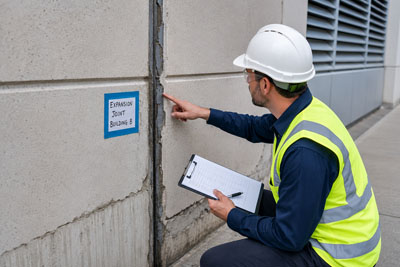
The first step is identifying areas where water may already be entering the building. Conduct a thorough inspection of both interior and exterior surfaces.
Look for common signs such as:
- Cracked concrete surfaces
- Damp walls or ceilings
- Peeling paint
- Mold or mildew growth
- Water stains
- Rust marks near concrete joints
- Visible gaps in expansion joints
Pay close attention to parking structures, balconies, external walls, basements, roofs, and industrial floors because these areas are more exposed to moisture and weather conditions.
Early detection helps prevent more serious structural damage later.
Step 2: Identify Damaged Expansion Joints
Expansion joints are designed to absorb movement within a structure. Over time, sealants inside these joints can crack, shrink, or deteriorate because of UV exposure, rain, temperature fluctuations, and aging.
Inspect all joints carefully and check for:
- Broken or missing sealant
- Hardened sealant that has lost flexibility
- Separation between the sealant and concrete
- Water leaking through joints
Damaged joints are one of the most common causes of water seepage in buildings.
Step 3: Clean and Prepare the Joint Area
Before applying any sealant, the joint area must be cleaned properly. Dirt, dust, old sealant, grease, and moisture can reduce adhesion and affect waterproofing performance.
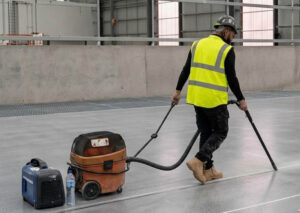
To prepare the joints:
- Remove old or damaged sealant completely
- Clean dust and debris using a brush or air blower
- Wash the surface if necessary
- Allow the area to dry completely
- Install backing rods if required for deeper joints
Proper surface preparation is essential for successful joint sealing projects
Step 4: Use Professional Expansion Joint Sealant
After preparing the joints, apply high-quality sealants designed specifically for expansion joints. Professional expansion joint waterproofing creates a flexible waterproof barrier that prevents water penetration while allowing structural movement. Different sealants are used depending on the application, including:
- Silicone sealants
- Polyurethane sealants
- Hybrid waterproof sealants
These materials are highly durable and resistant to UV rays, moisture, chemicals, and temperature changes.
Professional sealing is not only vital for commercial buildings, warehouses, car parks, concrete driveways, industrial floors, bridges, and other external structures — it is equally important for your home. These areas endure heavy loads, harsh weather, and constant environmental stress, making them vulnerable to water seepage, cracking, and deterioration. Industrial‑grade sealing products provide lasting protection, but beyond durability, they safeguard the spaces where your family lives. You can always find another workplace or improve working conditions, but your home is irreplaceable. Protecting it means protecting the safety, comfort, and value of the people you care about most.
Step 5: Apply Concrete Expansion Joint Sealing in High-Risk Areas
Concrete structures are highly vulnerable to water seepage because concrete naturally absorbs moisture over time. This makes concrete joint sealing extremely important for protecting structural integrity.
Focus on sealing joints in:
- Concrete slabs
- Parking garages
- Residential driveway
- Retaining walls
- Sidewalks and pathways
- Industrial, commercial and residential flooring
- External concrete walls
Concrete expansion joint sealing prevents water from reaching internal reinforcement steel, reducing the risk of corrosion and concrete cracking.
Using durable waterproof sealants also helps extend the lifespan of concrete structures and lowers future repair costs.
Step 6: Perform Caulking Expansion Joints Properly
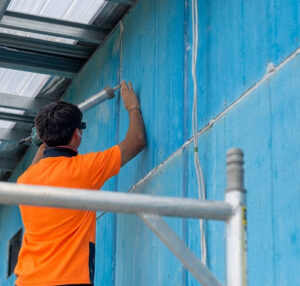 Another essential step is caulking expansion joints. Caulking helps seal smaller gaps and prevents water, dust, and air from entering the building.
To apply caulking properly:
- Choose a waterproof and flexible caulking material
- Apply the caulk evenly across the joint
- Ensure the entire gap is filled completely
- Smooth the surface for a clean finish
- Allow proper curing time before exposure to water
High-quality caulking materials improve waterproofing performance and maintain flexibility during structural movement.
Step 7: Replace Old Silicone Sealants
Old silicone sealants eventually lose elasticity and begin to crack or separate from surfaces. Replacing deteriorated silicone is necessary to maintain effective waterproofing.
Professional silicone replacement involves:
- Removing failed sealants
- Cleaning and preparing surfaces
- Applying new waterproof silicone
- Ensuring proper adhesion and finishing
Modern silicone products offer better durability and resistance to harsh weather conditions.
Step 8: Improve Drainage Around the Property
Water seepage problems often become worse when water accumulates around the building. Proper drainage helps direct water away from walls, foundations, and concrete joints.
To improve drainage:
- Clean gutters regularly
- Repair damaged downpipes
- Remove standing water
- Ensure proper ground slope away from the building
- Maintain drainage systems frequently
Reducing water buildup helps expansion joint sealing systems perform more effectively.
Step 9: Schedule Regular Silicone Maintenance and Inspections
Even high-quality sealants require maintenance over time. Regular inspections help identify small issues before they become major structural problems. Property owners should inspect expansion joints at least once a year, especially after heavy storms or extreme weather conditions.
Routine maintenance includes:
- Checking for cracks or gaps
- Reapplying damaged sealants
- Cleaning debris from joints
- Monitoring moisture problems
Preventative maintenance is the best way to avoid costly repairs in the future.
Protect Your Property with Expansion Joint Sealing
Don’t let water seepage or structural cracks compromise your building. Our professional
expansion joint waterproofing services deliver durability, compliance, and peace of mind.
Benefits of Caulking Expansion Joints
- Enhanced Waterproofing–Properly applied caulk creates a durable seal that prevents leaks and moisture penetration.
- Increased Energy Efficiency–Sealed gaps reduce air leakage and improve insulation performance.
- Better Appearance–Freshly caulked joints improve the overall look of walls, façades, and concrete surfaces.
- Flexibility and Durability–Quality sealants can expand and contract without cracking or separating from the surface.
- Protection Against Environmental Damage–Caulking helps resist UV rays, chemicals, and harsh weather conditions.
Conclusion
Protecting your property from water seepage is not just about addressing leaks — it’s about proactive maintenance. Through concrete expansion joint sealing, caulking expansion joints, and professional silicone replacement, you can ensure long‑term durability, safety, and value for your building.
Related Caulking Services
Latest Post
- Reliable Slab Leakage Solutions for Building Facilities: A Dual-Action Repair Strategy
- Comprehensive Domestic Caulking Service for Internal & External Applications
- Protect Your Inventory: Industrial-Grade Warehouse Waterproofing for Brisbane and rest of SE Queensland
- Is it Just a Hairline? How to Tell if a Concrete Crack is Structural