
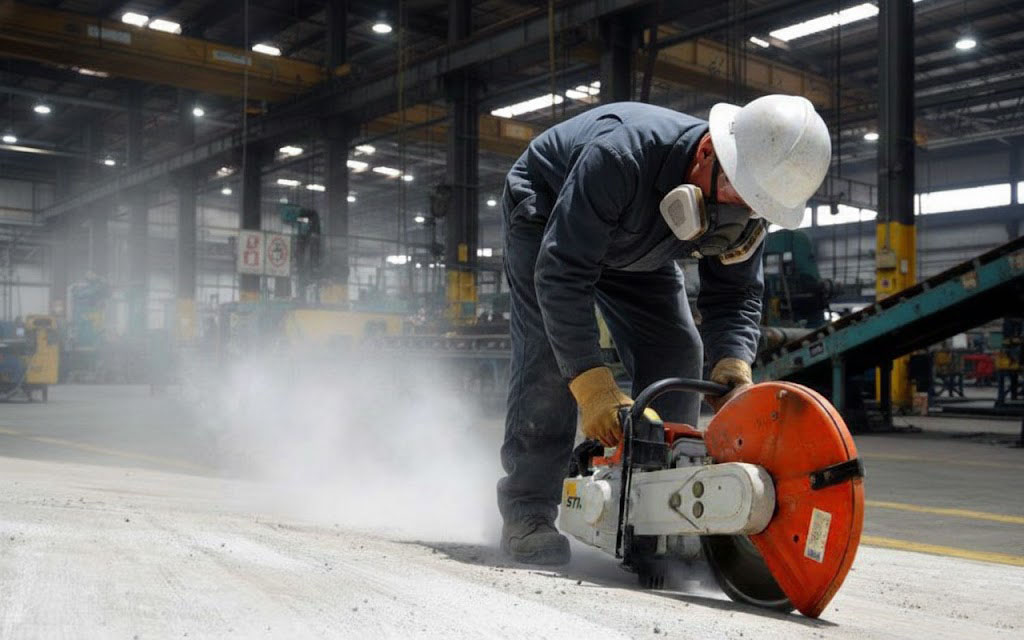
Concrete is one of the most durable construction materials, but without proper jointing, it is prone to cracking as it cures and expands. Precision saw cut joints are the industry’s proven solution to control cracking before it begins. By strategically placing and cutting these joints, contractors can guide where the concrete will relieve stress, ensuring a longer-lasting and more professional finish.
Why Saw Cut Concrete Joints Matter
When concrete hardens, it naturally shrinks. Without relief points, this shrinkage creates random cracks that weaken the slab and compromise its appearance. Saw cut concrete joints act as predetermined “crack paths,” allowing the concrete to fracture in a controlled manner. This technique is essential for:
- Commercial pavements and driveways
- Industrial floors and warehouses
- Civil infrastructure projects such as roads and bridges
By investing in concrete joint cutting, contractors prevent costly repairs and extend the service life of the structure.
Timing Is Everything in Concrete Joint Cutting
The success of cutting expansion joints in concrete depends on timing. Joints must be cut after the concrete has hardened enough to resist raveling but before uncontrolled cracks form. Typically, this window occurs within 6–18 hours after placement, depending on mix design, weather, and slab thickness. Cutting too early risks damaging the surface, while cutting too late allows cracks to appear outside the joint lines.
Precision Techniques for Saw Cut Joints
A Saw Cut Joint Specialist uses advanced equipment and techniques to achieve clean, accurate cuts. Key considerations include:
- Depth of cut: Generally one-quarter of the slab thickness to ensure proper crack control.
- Spacing of joints: Determined by slab thickness and design, often ranging from 24 to 36 times the slab depth.
- Pattern layout: Straight lines or grids that align with structural loads and architectural design.
This precision ensures that joints not only function effectively but also maintain a professional, uniform appearance.
Benefits of Professional Saw Cut Concrete Joints
Saw cut concrete joints Brisbane
Hiring a Saw Cut Joint Specialist provides several advantages:
- Crack prevention: Controlled joints reduce random cracking.
- Durability: Properly cut joints extend the lifespan of concrete surfaces.
- Aesthetics: Clean, straight cuts enhance the visual appeal of pavements and floors.
- Compliance: Meets industry standards and specifications for civil works and commercial construction.
Applications in Modern Construction
Concrete joint cutting is vital across multiple sectors:
- Roads and highways: Expansion joints prevent buckling under heavy traffic and temperature changes.
- Commercial buildings: Floors remain smooth and safe for foot traffic and machinery.
- Public infrastructure: Bridges, sidewalks, and airports rely on saw cut joints for long-term stability.
The Role of Expansion Joints
Beyond standard control joints, cutting expansion joints in concrete is critical for large slabs exposed to temperature fluctuations. Expansion joints allow slabs to expand and contract without damaging the structure. Precision cutting ensures these joints are placed exactly where needed to absorb movement.
Conclusion
Precision saw cut joints are more than just cuts in concrete—they are a proactive strategy to prevent cracks before they start. Whether it’s saw cut concrete joints in a warehouse floor, concrete joint cutting for a highway, or cutting expansion joints in concrete for a bridge deck, the expertise of a Saw Cut Joint Specialist ensures durability, safety, and compliance. By controlling where concrete relieves stress, contractors deliver stronger, longer-lasting structures that stand the test of time.
Related Posts:
- Joint Sealing Importance in Construction and Maintenance
- What Is Joint Sealing and How Does It Work?
- Joint Sealing & Caulking Services Brisbane and Gold Coast
- Top 5 Signs Your Garage Floor Cracks Need Immediate …
- Superior Slab Waterproofing Guide: Cost, Compliance, Benefits …
- Caulking and Waterproofing: The Hidden Hero of Building …