
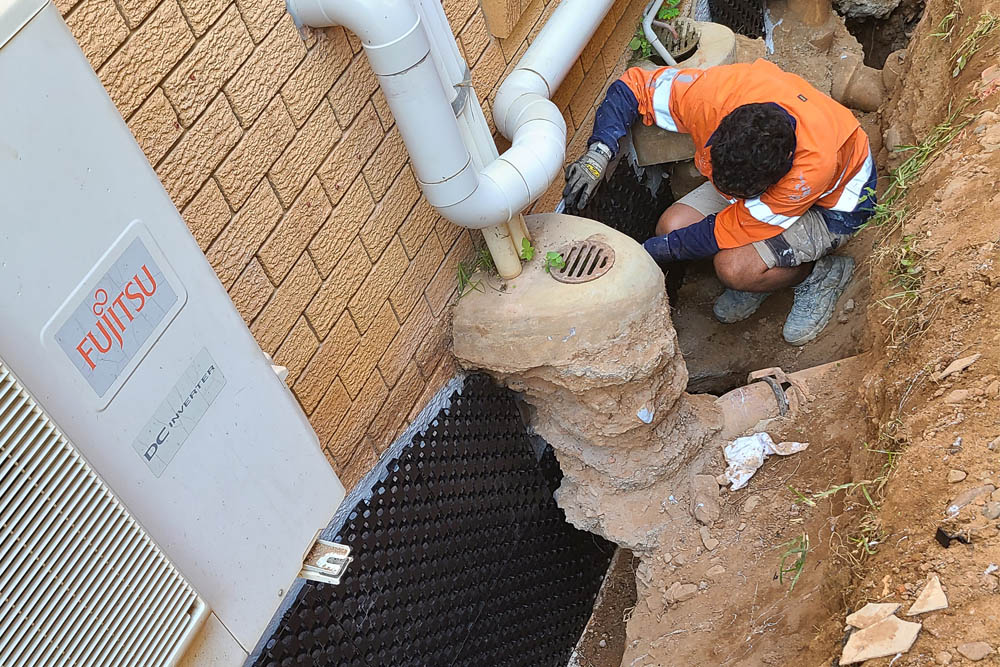
Basement wall waterproofing is essential in any construction project to prevent long-term structural damage, unwanted mould growth, and costly repairs. However, many builders and homeowners unknowingly make mistakes that can negatively affect the waterproofing results.
Understanding these common pitfalls can save you from serious issues in the future:
Ignoring the Importance of Surface Preparation
One of the most overlooked steps in basement wall waterproofing is properly preparing the wall surface. Dirt, dust, and existing moisture can prevent waterproofing materials from adhering correctly. It’s crucial to clean and dry the surface thoroughly before applying any sealant or membrane to ensure a lasting bond.
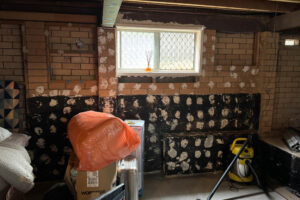
Basement Wall Waterproofing
Using the Wrong Waterproofing Products
Not all waterproofing products are created equal. Using the wrong type, such as a product meant for interiors on exterior walls, can lead to early failure. It’s crucial to select materials suitable for the soil conditions, water table levels, and climate, particularly in areas with high rainfall, like many regions of Australia.
Skipping Drainage Solutions
Basement wall waterproofing alone isn’t enough without proper drainage. Failing to install or maintain external drainage systems, such as French drains or sump pumps, puts unnecessary pressure on basement walls. Over time, this can lead to cracks and leaks, undermining the waterproofing effort.
Avoid Costly Mistakes with Proper Planning
Effective basement wall waterproofing requires more than just applying a coat of sealant. Remember, each waterproofing step plays a vital role in protecting your property. Avoiding these mistakes will help ensure your basement stays dry, durable, and free from water damage for years.
Extending the Life of Basement or Masonry Wall Waterproofing
Extending the life of basement or masonry wall waterproofing is less about the product used and more about managing water, movement, and maintenance over time. Below is a practical, field-tested framework that applies to both new systems and remedial waterproofing.
1. Control Water Before It Reaches the Wall
Waterproofing lasts longest when it is not under constant pressure.
Key actions
- Ensure surface drainage falls away from walls
- Maintain gutters, downpipes, and stormwater connections
- Install or maintain subsoil drainage where groundwater is present
- Avoid garden beds, paving, or soil buildup against walls
Why it matters: Reduced hydrostatic pressure dramatically extends the life of basement and masonry wall waterproofing.
 2. Protect the Waterproofing Layer
Many systems fail due to mechanical damage rather than material failure.
Best practices
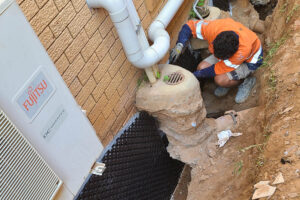
- Use protection boards or drainage cells over external membranes
- Avoid backfilling with sharp or poorly compacted material
- Protect exposed coatings from UV with render or compatible coatings
- Prevent trades from drilling or cutting through waterproofed areas
3. Maintain Masonry Integrity
The wall itself must remain stable and water-resistant.
Ongoing checks
- Repoint cracked or eroded mortar joints
- Repair render cracks early
- Seal structural cracks using appropriate methods (e.g. injection)
- Address efflorescence as an early warning sign, not a cosmetic issue
Strong masonry integrity is essential for long-term masonry wall waterproofing performance.
4. Use Compatible, Breathable Systems Where Required
Trapping moisture is a common cause of premature failure.
Important considerations
- Use breathable sealers on above-ground masonry
- Avoid non-vapour-permeable coatings unless pressure is fully controlled
- Ensure internal coatings do not conflict with external membranes
5. Manage Ground Movement
Movement stresses waterproofing systems and masonry.
Mitigation strategies
- Control moisture around footings in reactive soils
- Maintain consistent landscaping moisture levels
- Repair drainage failures promptly
- Monitor and address settlement or cracking early
Ground movement can compromise masonry wall waterproofing if left unchecked.
 6. Avoid Common Life-Shortening Mistakes
- Relying on DIY internal waterproofing alone
- Ignoring minor cracks or early moisture damp signs
- Covering failed systems with new coatings
- Blocking drainage during landscaping or renovations
Key Takeaway
The longest-lasting basement and masonry wall waterproofing systems are those that:
Minimise water pressure
- Protect the membrane physically
- Allow walls to behave as designed
- Are inspected and maintained
Properly managed masonry wall waterproofing ensures durability, stability, and protection for decades.