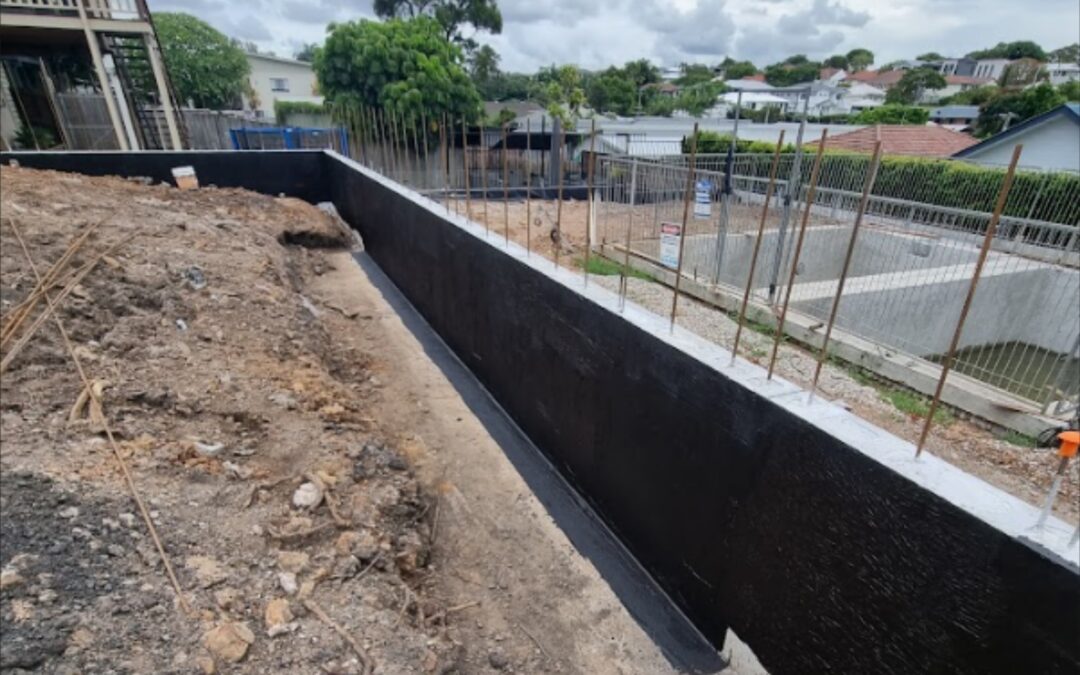
The days of simply “painting on tar and hoping for the best” are long gone. On the Gold Coast, where high water tables, coastal conditions, and intense summer storms are part of life, protecting your foundation requires far more than a basic moisture barrier.
Modern exterior waterproofing has evolved into a sophisticated, multi-layered system built on material science and real-world performance. Today’s best defence combines three powerful technologies: bentonite clay, high-performance membranes, and advanced polymer coatings. Together, they create an active, long-term waterproofing solution designed to handle movement, pressure, and persistent groundwater.
1. Bentonite Clay: The Self-Healing Waterproofing Barrier
 One of the most impressive exterior waterproofing materials in modern retaining wall and foundation waterproofing is sodium bentonite — a natural volcanic clay with a remarkable ability to expand when exposed to water.
When groundwater comes into contact with bentonite, it can swell up to 15 times its dry volume, forming a dense, impermeable gel. For some exterior waterproofing companies from Queensland, bentonite is commonly installed as:
- Bentonite blankets (clay sandwiched between geotextile layers)
- Spray-applied bentonite grout systems
How Bentonite Works
As water reaches the clay layer, it activates and expands, sealing gaps and voids in the concrete surface.
The “Active” Advantage
Unlike rigid coatings that can crack under pressure, bentonite acts as a self-healing system. If minor settlement cracks develop in the foundation, the expanding clay moves toward the moisture source and seals the leak.
For Gold Coast properties built in reactive soils or coastal conditions, this adaptive protection is a major advantage.
2. High-Performance Membranes: The Structural Waterproofing Shield
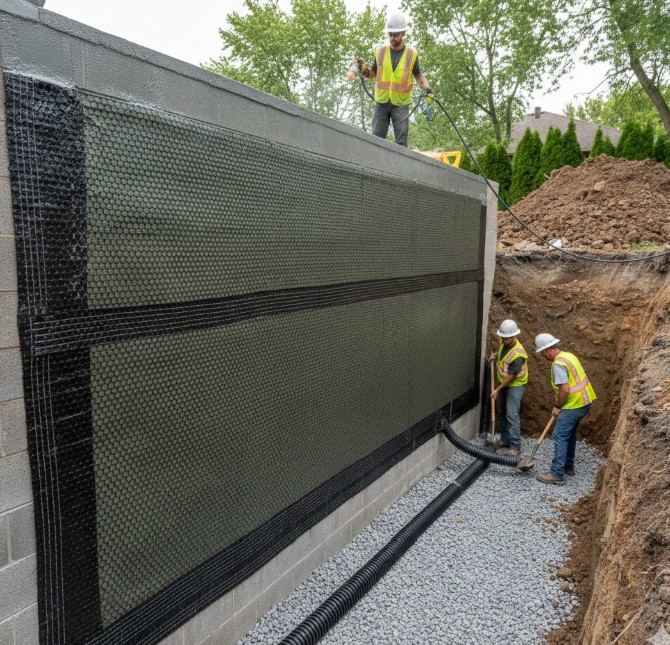
Modern exterior waterproofing membranes have come a long way from basic plastic sheeting. Today’s systems use thermoplastic membranes (TPO), rubberised asphalt composites, and engineered dimpled drainage membranes to create a durable waterproofing envelope.
Why Dimpled Membranes Matter
Dimpled (or cleated) membranes create a controlled air gap between the soil and the foundation wall. This serves two critical purposes:
Pressure Relief
Water is directed downward to the drainage system (weeping tile or agricultural drain) instead of sitting against the concrete wall.
Crack Bridging & Flexibility
Premium membranes are designed to stretch and bridge non-structural cracks. If the building shifts slightly — which can happen in Gold Coast soil conditions — the membrane flexes instead of tearing.
This layer provides both protection and drainage management, which is essential for long-term foundation waterproofing.
3. Advanced Polymer Coatings: Seamless and Chemically Bonded
Polymer-modified waterproofing coatings represent the latest evolution in exterior leak protection. These liquid-applied systems cure into a seamless, rubber-like membrane that chemically bonds to the concrete substrate.
Unlike older bitumen products that can delaminate or peel over time, modern polymer-modified bitumen and polyurethane coatings offer:
- Exceptional elongation – Some can stretch up to 800% without tearing
- Seamless application – No joins or weak points
- Vapour permeability – Allows internal moisture vapour to escape while preventing external water ingress
This breathable yet watertight performance is particularly important in humid coastal climates like the Gold Coast.
Why a Multi-Layered Waterproofing System Is Essential
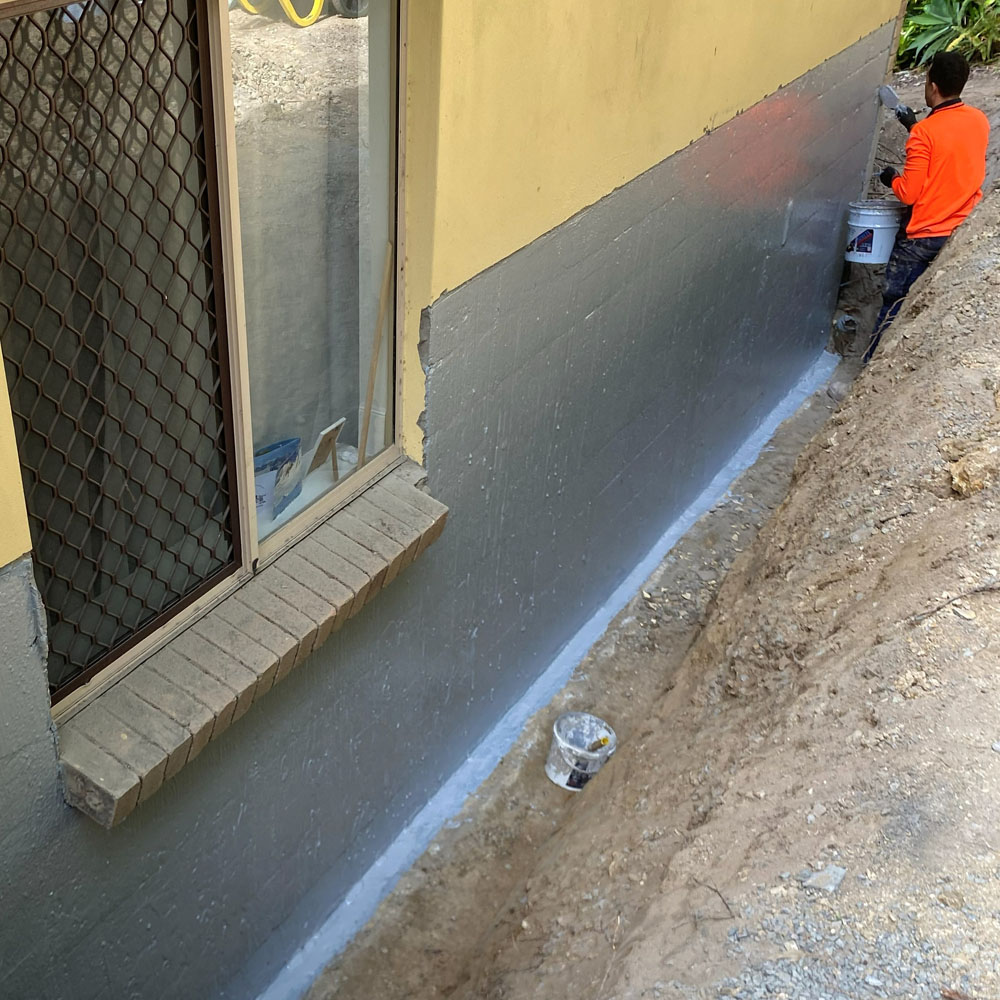 The future of exterior waterproofing company isn’t about choosing one product — it’s about combining systems for maximum protection.
A properly installed, high-performance foundation waterproofing system typically includes:
- Polymer-modified base coat for seamless adhesion
- Bentonite layer as a self-healing secondary barrier
- Dimpled drainage membrane to manage hydrostatic pressure and protect against backfill damage
This layered “defence-in-depth” strategy recognises a simple truth in building science: water is persistent. Over time, it will exploit even the smallest weakness in a single-layer system. By combining active and passive waterproofing technologies, professional Gold Coast waterproofing contractors can deliver long-term protection built to last the life of the structure.
Protecting Your Investment with Modern Gold Coast Waterproofing
With rising water tables, heavier rainfall events, and increasingly complex building designs, hiring commercial exterior waterproofing experts are no longer optional — it’s essential.
Whether you’re building a new home, renovating, or dealing with ongoing leak repairs, investing in advanced foundation waterproofing protects:
- Structural integrity
- Internal finishes
- Property value
- Long-term durability
If you’re planning construction or experiencing foundation moisture issues, working with experienced Gold Coast waterproofing specialists ensures your property is protected with proven, high-performance systems designed for local conditions.
Because when it comes to waterproofing, the foundation of your home deserves more than a quick fix — it deserves a system built to last.
Common Exterior Waterproofing Techniques
Bituminous Membranes
Asphalt-based sheets applied to exterior walls or foundations to block water.
Best for: Basements, retaining walls, foundations
Durability: 8–12 years
Liquid Waterproofing
Polyurethane or acrylic liquids that cure into seamless, flexible coatings.
Best for: Roofs, terraces, exterior walls
Durability: 10–15 years
Cementitious Waterproofing
Cement-based coating mixed with polymers to resist water penetration.
Best for: Concrete walls, water tanks, foundations
Durability: 5–10 years
Crystalline Waterproofing
Chemicals penetrate concrete pores and form crystals that block water pathways.
Best for: Foundations, basements, underground structures
Durability: 20–30 years
Types of Exterior Waterproofing for Gold Coast Homes
Residential or commercial exterior waterproofing experts your first and most important line of defense against water intrusion. On the Gold Coast, where heavy rainfall, coastal conditions, and reactive soils are common, choosing the right waterproofing system can make the difference between a dry, durable foundation and ongoing structural issues.
Below are the main types of exterior waterproofing used in residential and commercial construction.
1. Cementitious Waterproofing: Cement-based waterproofing is one of the most traditional methods used on concrete foundations and retaining walls.
A cementitious coating is applied directly to the concrete surface, forming a rigid barrier that resists water penetration.
Best For:
- New builds with stable foundations
- Retaining walls
- Areas with minimal structural movement
Limitations:
Cementitious coatings are rigid and do not handle movement well. In Gold Coast soil conditions where minor settlement can occur, cracking may compromise the system over time.
2. Bituminous (Asphalt-Based) Waterproofing: Bituminous waterproofing uses asphalt or tar-based products applied to foundation walls.
Types Include:
- Cold-applied liquid bitumen
- Rubberised asphalt membranes
- Torch-on membranes
Benefits:
- Affordable and widely available
- Good initial water resistance
Limitations:
Older tar-style coatings can become brittle over time and may peel or delaminate if not properly installed. Modern rubberised asphalt systems perform much better but still require professional application.
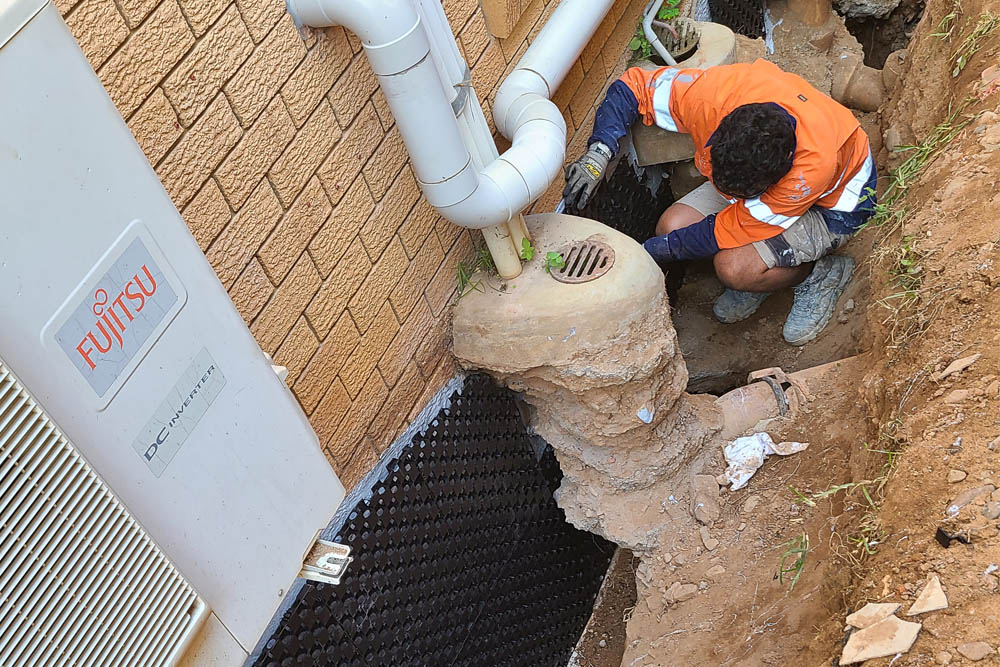 3. Liquid-Applied Membrane Waterproofing: Liquid-applied membranes are one of the most effective modern solutions for exterior foundation waterproofing. A polymer-modified coating (often polyurethane or modified bitumen) is sprayed or rolled onto the surface. It cures into a seamless, rubber-like membrane that bonds directly to the substrate.
Advantages:
- Seamless application (no joins or weak points)
- Excellent crack-bridging ability
- High elongation for structural movement
- Strong adhesion to concrete
For Gold Coast waterproofing projects, liquid membranes are ideal due to their flexibility and durability in humid, coastal environments.
4. Sheet Membrane Waterproofing: Sheet membranes are pre-manufactured rolls of waterproof material applied to foundation walls.
Common Materials:
- HDPE membranes
- TPO (thermoplastic polyolefin)
- Rubberised asphalt sheets
Benefits:
- Consistent thickness
- High puncture resistance
- Reliable waterproof barrier
Professional installation is critical to ensure seams are sealed correctly and no gaps are left vulnerable to leaks.
5. Bentonite Waterproofing Systems: Bentonite clay systems are considered an “active” outdoor waterproofing solution.
Sodium bentonite clay expands when exposed to water, forming a dense gel that blocks moisture pathways. It is typically installed as a bentonite blanket between geotextile layers—a method trusted by exterior waterproofing experts for its self-sealing properties and long-term durability.
Key Benefits:
- Self-healing properties
- Expands to fill small cracks
- Ideal for below-ground applications
This system is particularly effective for basements and deep house foundations where hydrostatic pressure is a concern.
6. Dimpled Drainage Membranes: While not a standalone waterproofing system, dimpled membranes play a crucial role in exterior protection.
What They Do:
- Create an air gap between soil and foundation
- Direct water down to drainage systems (ag drains or weeping tile)
- Protect inner waterproofing layers from backfill damage
On the Gold Coast, where heavy rainfall can cause water buildup against foundations, proper drainage management is essential.
7. Hybrid Waterproofing Systems (Best Practice): The most reliable outdoor or exterior waterproofing service combine multiple technologies for layered protection.
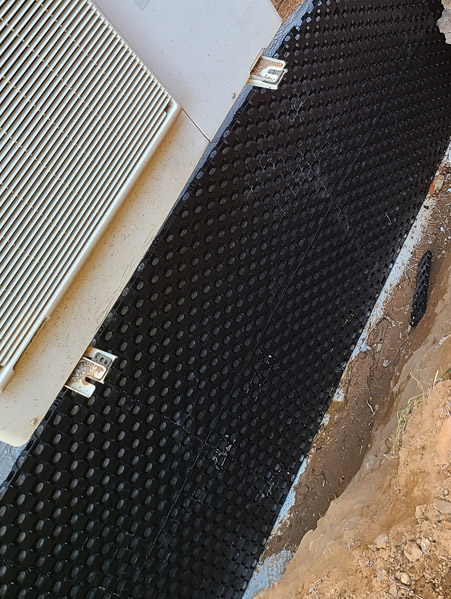
A professional waterproofing system may include:
- Polymer-modified base coating
- Bentonite secondary barrier
- Dimpled drainage membrane
- Proper perimeter drainage system
This multi-layer approach ensures long-term protection against groundwater, soil movement, and extreme weather conditions.
Choosing the Right Exterior Waterproofing Services
Every property is different. Factors that influence the best solution include:
- Soil type
- Groundwater levels
- Foundation depth
- Structural movement risk
- Building design
Working with experienced Brisbane and Gold Coast exterior waterproofing contractors ensures your system complies with Australian Standards and is tailored to local conditions. For those searching for exterior waterproofing companies near me, partnering with trusted local experts guarantees long-term protection and peace of mind.
If you’re planning a new build, renovation, or need professional leak repairs, investing in the right residential or commercial waterproofing company that will protect your home’s structure for decades to come.