
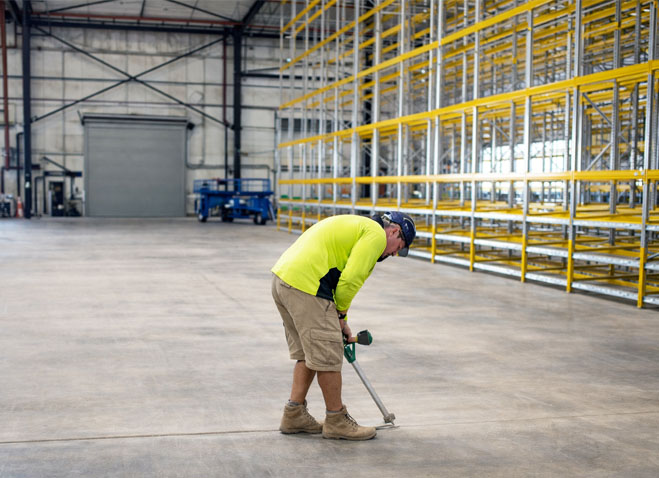
Concrete cracks are almost inevitable. Whether it’s a driveway, slab, wall, or foundation, even well-installed concrete can develop cracks over time. The real question isn’t if cracks will appear—it’s what they mean. Not all cracks are equal: some are harmless cosmetic flaws, while others can signal deeper structural issues that require immediate attention.
Understanding the difference can save you from unnecessary structural crack sealing—or prevent serious damage from being ignored.
What Is a Hairline Crack?
Hairline cracks are typically very thin—often less than 1/16 inch (about 1.5 mm) wide. These cracks commonly occur due to:
- Shrinkage as concrete cures
- Minor temperature fluctuations
- Normal settling over time
They are usually superficial and don’t compromise the structural integrity of the concrete.
Key traits of harmless hairline cracks:
- Very narrow and uniform
- No vertical or horizontal displacement
- Stable (they don’t grow over time)
- Common in slabs, plastered surfaces, and render finishes
In most cases, these cracks are cosmetic and may only require simple concrete crack sealing for appearance or waterproofing.
When a Crack Becomes Structural
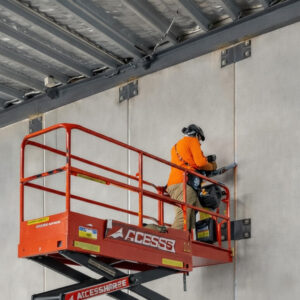 Structural cracks indicate that the concrete element is under stress beyond what it was designed. These cracks can affect load-bearing capacity and may worsen if left untreated.
1. The “Pencil Test” (Size Matters)
The first thing to check is the width of the gap.
- Hairline Cracks: If the crack is less than 3mm (about the width of a toothpick or a penny), it is usually “aesthetic.” These are often caused by plastic shrinkage during the initial curing process.
- Structural Cracks: If you can fit a pencil into the crack (roughly 6mm or wider), the concrete is no longer just “settling”—it’s moving.
2. Directional Clues: Vertical vs. Horizontal
The orientation of the crack tells the story of the forces acting upon your home.
- Vertical Cracks: These are the most common and least threatening. They usually indicate that the foundation is settling slightly into the soil. As long as they aren’t widening at the top or bottom, they are generally a simple patch job.
- Diagonal (Stair-step) Cracks: Frequently seen in brick or concrete block walls, these follow the mortar joints. They suggest uneven settlement—one corner of the house is sinking faster than the rest.
- Horizontal Cracks: The Red Flag. If you see a horizontal crack mid-way up a basement wall, the soil pressure outside is literally pushing the wall inward. This is a sign of structural failure and requires professional intervention immediately.
3. The “Flush” Factor (Displacement or Uneven Surfaces)
Run your hand across the crack (carefully!).
- Static Cracks: If the surface on both sides of the crack is level, the crack is likely stable.
- Offset/Ledge Cracks: If one side of the crack is higher than the other (creating a “lip” or ledge), the slab has shifted vertically. This indicates a loss of subgrade support or significant soil movement, which is a concern and in need of structural crack sealing professionals.
Hairline cracks do not cause uneven surfaces.
4. Signs of “Active” Distress
Concrete can be surprisingly vocal about its problems. Watch for these secondary symptoms:
| Feature | Cosmetic/Non-Structural | Structural Warning |
| Moisture | Dry or slight dampness | Active water seeping through |
| Debris | Clean edges | Concrete “spalling” (flaking/chipping). If water is entering through the crack, or you notice rust stains, it may indicate deeper issues such as:
|
| Location | Mid-span of a slab | Near support beams or corners |
| Growth | Stays the same for years | Visibly grows over a few months |
This is where timely structural crack repairs can prevent escalation.
6. Location of the Crack
Where the crack appears plays a major role in determining severity.
- Cracks in beams, columns, or load-bearing walls are serious and need an immediate crack inspection.
- Cracks in non-structural surfaces are usually less concerning
A small crack in a structural element can be more dangerous than a larger crack in a non-load-bearing area.
7. Monitoring Over Time
A simple but effective method is to track the crack:
- Mark the two ends of the cracks and measure periodically
- If it grows or spreads, it’s likely structural
Stable cracks are generally harmless—active ones are not.
When to Call a Structural Crack Sealing specialists?
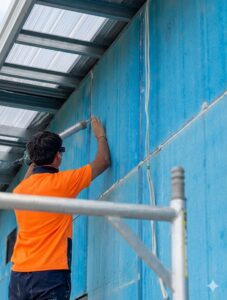
Gold Coast and Brisbane structural cracks repair
While you can DIY-fill a hairline crack with some epoxy or polyurethane to keep moisture out, you should call a structural engineer if:
The crack is horizontal.
The crack is wider than 6mm.
Windows or doors in the house have suddenly started sticking.
You see exposed rebar inside the crack (rusting steel expands and will blow the concrete apart from the inside).
The Bottom Line: Don’t panic over every spiderweb line in your driveway, but don’t ignore the cracks that try to “step” up your walls.
Why Professional Concrete Crack Repair Matters
Structural cracks are not something to ignore or patch temporarily. Proper diagnosis and repair require expertise, experience, and the right techniques.
SuperiorWaterproofing is a leading experts in structural crack repair based in Gold Coast, Brisbane and Ipswich. With extensive industry experience, the company specialises in diagnosing the root cause of concrete cracking and delivering long-lasting repair solutions tailored to each structure.
Their team combines advanced repair technologies with proven methodologies, including structural crack repair by epoxy injection, which restores the structural integrity of concrete by bonding cracks internally. In addition, their structural crack sealing services help prevent water ingress, protect reinforcement, and extend the life of the structure.
SuperiorWaterproofing works across residential, commercial, and industrial projects, offering reliable, cost-effective solutions backed by technical expertise and a strong commitment to quality workmanship. Their focus is not just on fixing cracks—but on preventing future issues through precise assessment and durable structural cracks repair systems.
- Rehabilitation Strategies for Failed Lateral Joint Sealing Systems
- How Remedial Concrete Joint Sealing Prevents Water Damage in Concrete Slabs?
- The High-Tech Future of Exterior Waterproofing
- Top 5 Signs Your Garage Floor Cracks Need Immediate Repair
- Caulking and Waterproofing: The Hidden Hero of Building Protection