Elavator Shaft & Lift Pit Waterproofing Brisbane & Gold Coast
Internal Waterproofing Solutions Designed to Withstand Hydrostatic Pressure.
Elevator Shaft & Lift Pit Waterproofing Brisbane & Gold Coast
Internal Waterproofing Solutions Designed to Withstand Hydrostatic Pressure.
A leaking lift pit is more than just an inconvenience—it can lead to serious structural damage, costly repairs, and compliance issues. As lift pits are typically constructed below the water table, they are constantly exposed to hydrostatic pressure, allowing groundwater to force its way through cracks, construction joints, and porous concrete.
At Superior Waterproofing, we deliver engineered lift pit and elevator shaft waterproofing solutions for commercial, residential, and industrial properties across Brisbane, the Gold Coast, and Southeast Queensland. Using proven waterproofing systems designed to withstand constant water pressure, we keep lift pits dry, protect critical lift equipment, and help ensure your building remains safe, compliant, and operating reliably.
Our Elevator Shaft and Lift Pit Waterproofing System
External Waterproofing (Positive Side)
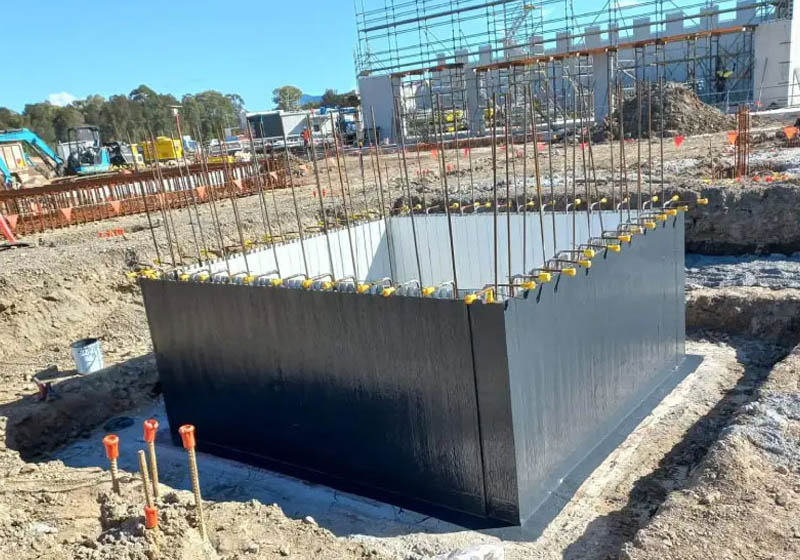
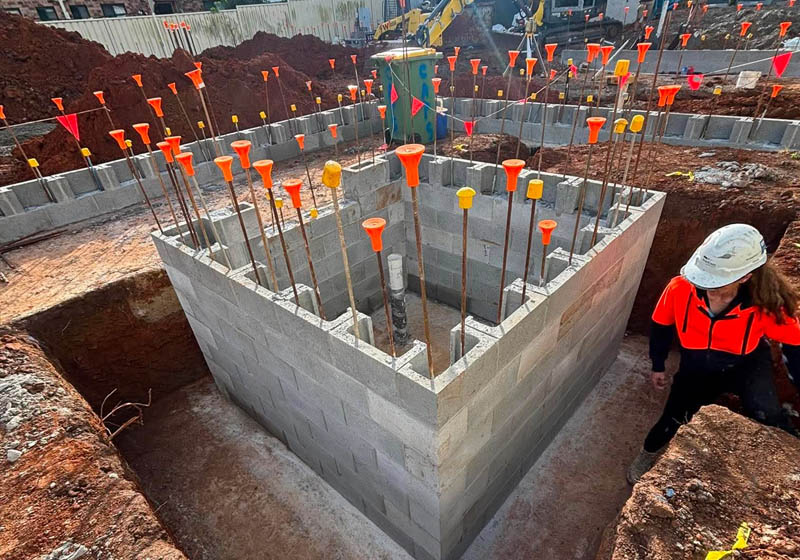
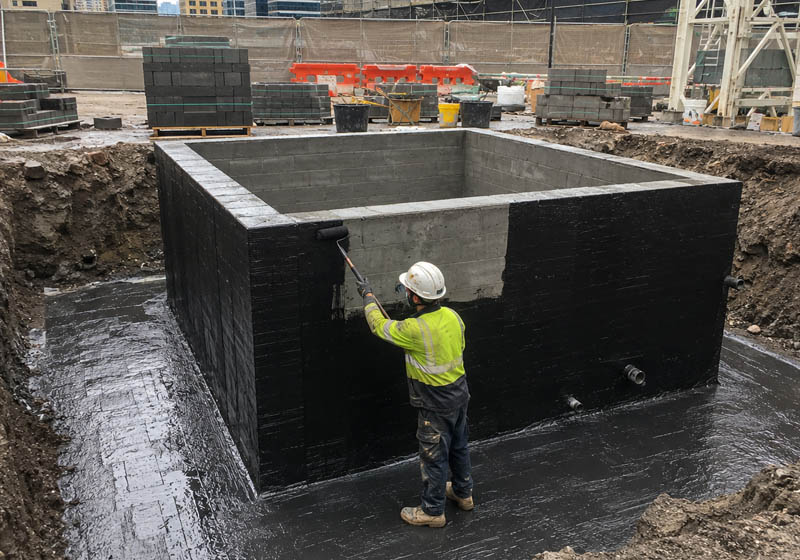
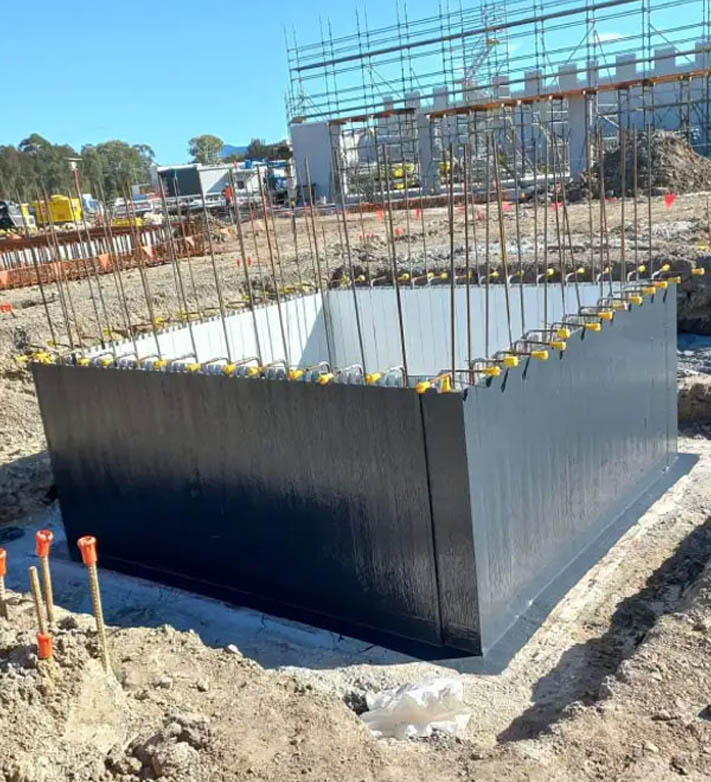
Positive-side waterproofing is installed on the external face of a new lift pit before backfilling. It prevents groundwater from reaching the concrete structure and is commonly completed using sheet membranes or liquid-applied membranes.
Internal Waterproofing (Negative Side)
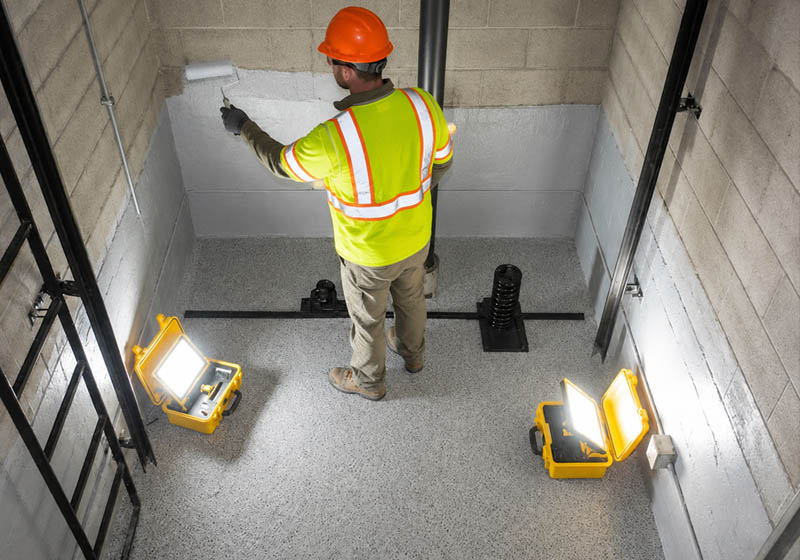
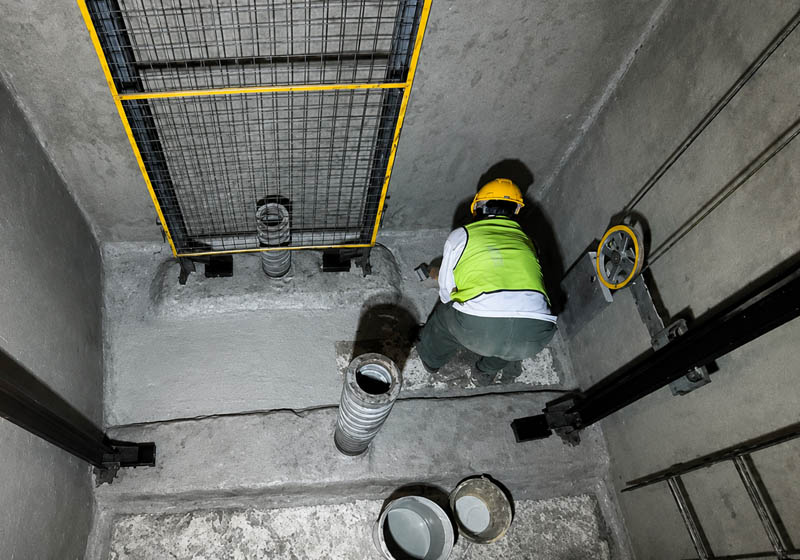
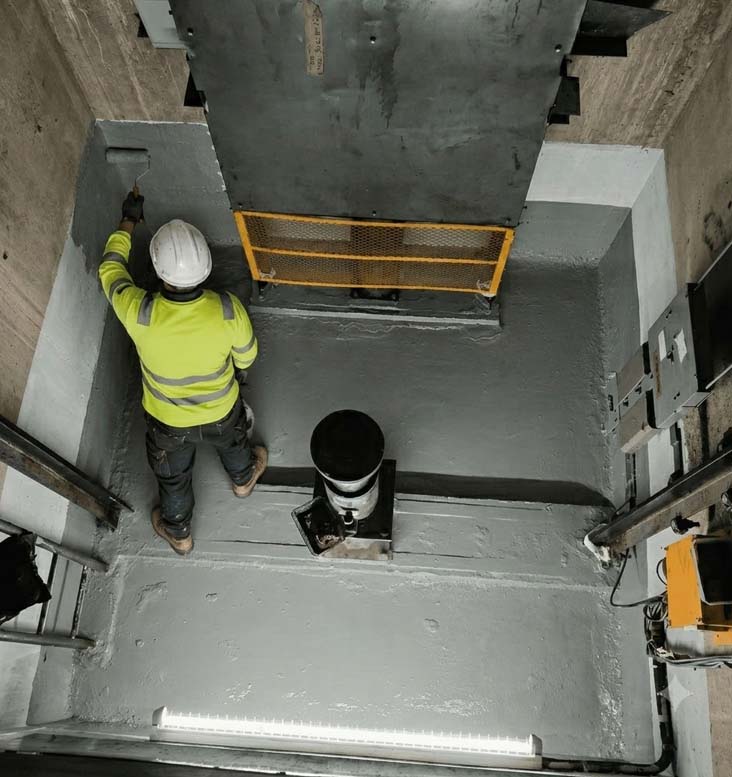
Negative-side waterproofing is applied from inside the lift pit when external excavation is not possible. This system helps resist water pressure from behind the concrete using waterproof renders, primers, and internal membrane systems.
Polyurethane Crack Injection (Water Stopping)
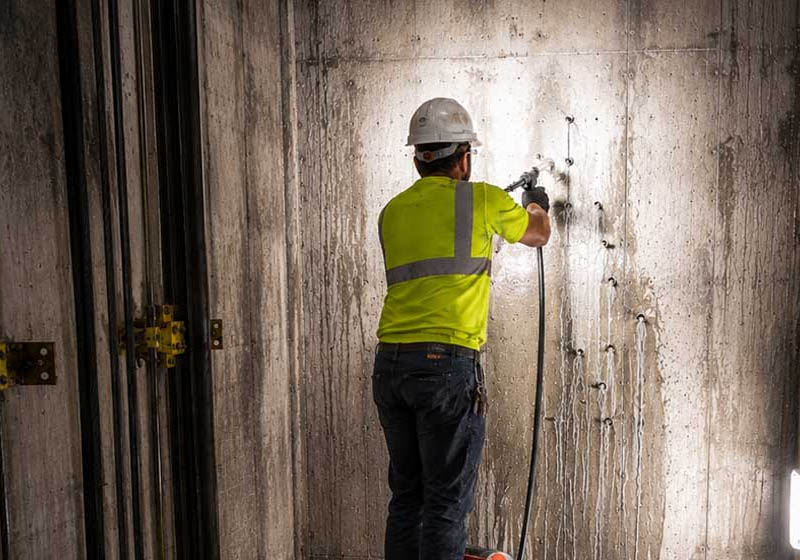
Where active water ingress is present, we inject specialized polyurethane resins that react with moisture to expand rapidly. This forms a robust, flexible seal that immediately stops live leaks and fills water-bearing cracks or voids within the concrete structure.
Epoxy Crack Injection (Structural Repair)
Where cracking has compromised the structural integrity of the lift pit, stopping the leak is only the first phase of the repair. Once active water ingress is completely controlled, a low-viscosity, high-strength structural epoxy resins are injected under controlled pressure to bond the fractured concrete, successfully restoring structural strength to the lift pit walls and floor.
Caulking, Joints and PenetrationSealing
Cold joints—where the lift pit floor meets the walls—along with sump pits, electrical conduits, and other service penetrations, are primary failure points. We treat these vulnerable areas using heavy-duty polyurethane sealants, swellable waterstops, or elastomeric joint bandage systems specifically engineered to accommodate minor structural movement without splitting or tearing.
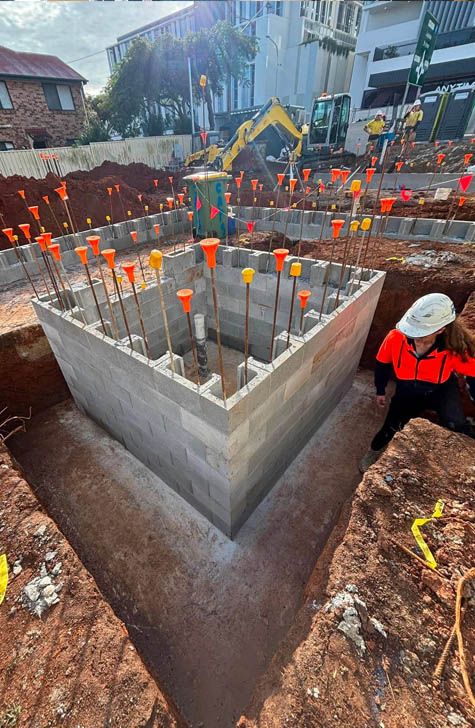
Our Multi-Stage Waterproofing Lift Pit Process
We don’t just cover up leaks — we fix the source of the problem. Our team stops active water flow, restores structural strength, and protects vulnerable weak points in your building. Using a proven multi-stage waterproofing system, we combine advanced injection technology, detailed preparation, and high-performance coatings to deliver long-lasting protection.
Preparation & De-Watering
- Before we begin waterproofing lift pits, we completely pump out any standing water and mechanically grind the concrete surfaces. This cleans the substrate and exposes the precise cracks, failed construction joints, and voids that require treatment.
Polyurethane Resin Injection (Active Leak Stopping)
- For cracks experiencing active, high-pressure water ingress, we use high-pressure Polyurethane (PU) Crack Injection. This hydrophobic resin reacts instantly with water, expanding rapidly to choke off the water flow and seal the void right to the outside of the structure.
Structural Epoxy Resin Crack Injection
- Once active water is controlled, dry structural cracks are treated using low-viscosity, high-strength structural epoxies. Injected under controlled pressure, this resin fuses the fractured concrete back together, restoring its original structural load-bearing capacity.
Joint & Penetration Treatment
- With the cracks stabilized and sealed, we apply a specialized, multi-coat negative-side waterproofing membrane to the walls and floor of the elevator shaft. Engineered to withstand intense hydrostatic back-pressure, this seamless layer permanently locks out future dampness.
Negative-Side Membrane Application
- With the cracks stabilized and sealed, we apply a specialized, multi-coat negative-side waterproofing membrane to the walls and floor of the elevator shaft. Engineered to withstand intense hydrostatic back-pressure, this seamless layer permanently locks out future dampness.
Our proven multi-stage remediation process is designed to eliminate leaks, restore structural integrity, and keep your lift pit dry, compliant, and built to perform for the long term. Every solution is tailored to the condition of the structure and delivered using industry-approved waterproofing materials and repair techniques.
COMPLIANCES
Where Compliance Meets Craftsmanship





Using a compliant lift pit waterproofing Gold Coast and Brisbane ensures the job meets building codes, uses certified materials, and is completed to industry standards.
It helps prevent water ingress, concrete damage, corrosion, mould, and costly repairs while protecting your warranty, insurance, and long-term property value.
Project Showcase
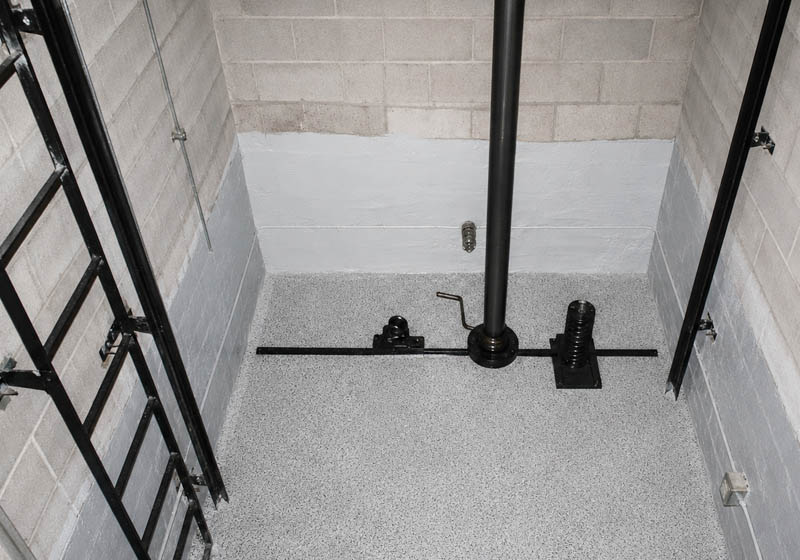
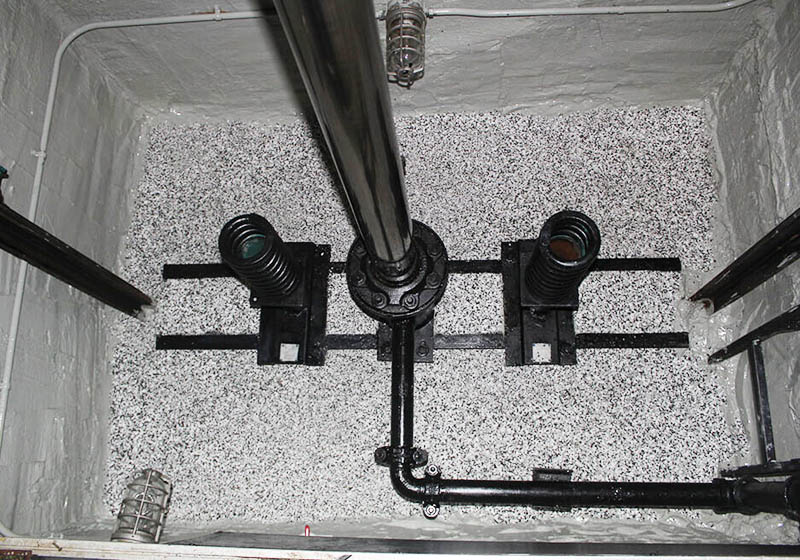
Check out some of our photos to see the top-notch lift pit and elevator shaft waterproofing we’ve completed in Brisbane or Gold Coast, showcasing our commitment to quality and durability.
Get Started Today
Protect your lift pit and elevator shaft with specialist negative-pressure waterproofing and resin crack injection for water ingress, concrete cracks, and rising damp.
📞 Call us now at 0468 760 750!
Why Choose SuperiorWaterproofing?
Root-Cause Engineering:
We don’t just pump out the water. We identify the exact points of hydrostatic failure and seal them at the core to prevent recurrent flooding.
Complete Waterproofing Solutions
From stopping active leaks with PU resin crack injection to repairing concrete crack with epoxy resin, sealing joints, and applying negative-side waterproofing barriers, we manage the full repair process from start to finish, our Brisbane lift pit waterproofing is complete.
20 Years of Expertise
As Queensland’s premier basement and foundation waterproofing contractors, we pair years of hands-on experience with technical excellence. Backed by a comprehensive understanding of local soil and climate conditions, we deliver tailored seepage solutions that guarantee long-term protection.
Strict Australian Standards Compliance: All Gold Coast lift pit crack repairs are executed in strict accordance with NCC and AS structural and waterproofing protocols, protecting your asset’s long-term value.
Warranted Workmanship and Products:
Every project is backed by our company workmanship warranty, along with warranty coverage on the waterproofing products we use for added peace of mind.
Minimal Facility Disruption:
We understand that a down lift disrupts an entire building. Our resin crack injection and membrane systems are deployed efficiently to minimize elevator downtime.
Testimonials
What Our Happy Customers Are Saying
Call us now: 0468760750
Superior Waterproofing did a great job waterproofing the lift pit in our apartment building. The team arrived on time, worked safely, and completed the repair with strong attention to detail. They understood the importance of protecting the lift system from water damage. The finished result has given our building management team real peace of mind.
Do You Need Emergency Lift Pit Waterproofing Services – Brisbane or Gold Coast?
Call Us 0468 760 750 Now!
To learn more about our professional lift pit waterproofing Brisbane or Gold Coast or to discuss your elevator shaft leaking problem, feel free to email us at admin@superiorwaterproofing.com.au.
Common Structural Applications
Commercial & Civil
Building Lift Pits & Elevator Shafts: Keeping critical mechanical, hydraulic, and electrical infrastructure completely dry and compliant with work health and safety codes. Negative pressure waterproofing using PU/epoxy injections and flexible joint caulking stop groundwater from sweeping through cold joints or floor-to-wall junctions.
Basement Car Parks: Protecting structural columns, walls, and floor expansion joints from water ingress, avoiding mineral-rich leaks that damage parked vehicles.
Deep Retaining Walls: Managing immense groundwater pressure where tight boundary lines make external excavation physically impossible.
Residential
House Foundations & Footings: Remediating porous, damp, or leaking sub-floor concrete footings, slab joints, and foundation walls where perimeter drainage has failed or cannot be accessed externally.
Brickwork Basements & Retaining Walls: Utilizing the specialized Westox system to stop rising damp from ruining internal residential linings, sub-floor timbers, and living areas.
Habitable Basements & Rumpus Rooms: Converting damp underground rooms into safe, dry, mold-free living areas that comply with residential health standards.
Underground Cellars & Storage: Eliminating rising damp, salt damp, and musty odors to protect valuable belongings or wine collections.
Frequently Asked Questions
Is lift pit waterproofing the same as elevator shaft waterproofing?
Is this Gold Coast negative-side waterproofing an NCC-compliant system?
Yes, negative-side waterproofing for basements can be a fully compliant system, but how it achieves compliance depends heavily on the context of the build (new construction vs. remediation) and how it is documented under the National Construction Code (NCC).
To be compliant, a negative waterproofing system must satisfy the NCC Performance Requirements. This is typically achieved via a Performance Solution (verified by a professional engineer or accredited specialist) demonstrating that the selected system—such as an epoxy barrier or specialized chemical injection system—will adequately resist hydrostatic pressure and prevent moisture degradation.
To ensure a negative-side installation holds up to legal and technical scrutiny, it must align with relevant framework guidelines and utilize the right engineering approaches:
AS 4654.2 Compliance: While AS 4654 strictly governs external waterproofing (like balconies and roofs), below-ground systems must interface correctly with these external boundaries and drainage standards to ensure the overall continuity of the building envelope.
System Selection: Compliance relies heavily on choosing a system tested to withstand negative hydrostatic pressure. For example, injecting specialized structural resins (like polyurethane or epoxy injection systems) directly into concrete cracks to block water transmission pathways is a highly effective, industry-standard remedial method.
Do I need a licensed contractor to perform this negative membrane waterproofing work?
Which suburbs do your interior waterproofing services cover in Gold Coast, Brisbane, and Ipswich?
Gold Coast Suburbs
- Mermaid Beach
- Broadbeach Waters
- Surfers Paradise
- Main Beach
- Burleigh Heads
- Currumbin
- Hope Island
- Sovereign Islands
- Clear Island Waters
- Tallebudgera Valley
- Varsity Lakes
- Robina
- Runaway Bay
- Paradise Point
- Palm Beach
- Chevron Island
- Benowa
- Southport
- Miami
- Currumbin Valley
Brisbane Suburbs
- Ascot
- Hamilton
- Bulimba
- New Farm
- Teneriffe
- Paddington
- Clayfield
- Wilston
- St Lucia
- West End
- Highgate Hill
- Greenslopes
- Kelvin Grove
- Red Hill
- Indooroopilly
- Chapel Hill
- Fig Tree Pocket
- Norman Park
- Woolloongabba
- South Brisbane
Ipswich Suburbs
- Springfield Lakes
- Brookwater
- Karalee
- Ripley
- Flinders View
- Augustine Heights
- Camira
- Bellbird Park
- Raceview
- Springfield
- Eastern Heights
- Yamanto
- Goodna
- Redbank Plains
- Collingwood Park
- Brassall
- Leichhardt
- North Ipswich
- Churchill
- Sadliers Crossing
What is the process of waterproofing a lift pit in a new building?
Waterproofing an elevator or lift pit is one of the most critical stages of a new construction project. Because lift pits are typically the lowest point of a building, they often sit below the groundwater table and are exposed to constant hydrostatic pressure. Without a properly designed waterproofing system, water ingress can lead to costly repairs, equipment damage, and ongoing maintenance issues.
For new builds, the most reliable solution is the “bathtub” waterproofing method. This approach combines a continuous external waterproofing membrane with structurally integrated protection, creating a watertight barrier around the entire lift pit.
New Construction Lift Pit Waterproofing Process
Since the outside of the lift pit becomes inaccessible once the concrete has been poured, every stage of the waterproofing installation must be carefully coordinated with the formwork, reinforcement, and concrete placement schedule.
1. Prepare the Substrate and Blinding Slab
The process begins by excavating the lift pit to the required depth, allowing sufficient space for both the base slab and walls.
A concrete blinding slab is then poured to provide a smooth, stable, and clean surface for the waterproofing system. This thin layer of unreinforced concrete creates the ideal foundation for the membrane installation.
2. Install the Pre-Applied Waterproofing Membrane
Before any structural concrete is poured, a heavy-duty pre-applied waterproofing membrane is installed across the blinding slab and extended vertically along the inside face of the formwork or retaining walls.
These blindside membranes—typically manufactured from high-density polyethylene (HDPE) or bentonite—are designed to permanently bond with freshly poured concrete. This mechanical bond prevents water from travelling between the membrane and the concrete structure.
All membrane laps should overlap by a minimum of 100mm and be pressure-sealed or heat-welded in accordance with the manufacturer’s specifications to ensure a continuous waterproof barrier.
3. Install Waterstops at Construction Joints
Construction joints, particularly the slab-to-wall connection, are among the most common sources of water leaks in lift pits.
Hydrophilic (swellable) waterstops should be installed centrally within every construction joint and around all service penetrations, sump liners, structural tie rods, and pipe penetrations.
When exposed to moisture, these waterstops expand to fill gaps within the joint, preventing water from tracking through capillary pathways.
4. Pour Waterproof Concrete with Integral Admixtures
Once the waterproofing membrane and waterstops are in place, the reinforcement cages are installed. Care should be taken to ensure reinforcement spacers do not damage the membrane during placement.
The concrete should include a crystalline waterproofing admixture. As the concrete cures, the admixture reacts with moisture and unhydrated cement particles to form millions of microscopic crystals that permanently fill the concrete’s natural pores and capillaries.
This process significantly reduces water permeability while providing the added benefit of self-healing micro-cracks up to approximately 0.4mm.
5. Apply External Tanking (Where Required)
If the lift pit has been constructed using an open-cut excavation rather than blindside formwork, the external formwork can be removed once the concrete has achieved sufficient strength.
A continuous liquid-applied elastomeric membrane or self-adhered bituminous waterproofing membrane is then applied to the external walls. This membrane must be fully integrated with the underslab waterproofing system before backfilling to maintain a continuous watertight enclosure.
Critical Quality Control Measures
Even the best waterproofing system can fail if installation details are overlooked. Thorough quality control throughout construction is essential.
Detail Every Penetration
Every penetration through the lift pit structure—including drainage outlets, conduit sleeves, anchors, and pipework—must be individually waterproofed using appropriate elastomeric sealants, puddle flanges, or proprietary waterproofing collars. These areas represent the highest risk of water ingress if not correctly detailed.
Inspect Before Backfilling
Before backfilling or handing over the completed structure, the waterproofing system should be carefully inspected for membrane damage, pinholes, incomplete seals, or poorly bonded laps.
Where groundwater conditions are significant, the lift pit should remain dry and be monitored for at least 24 to 48 hours. Confirming there is no seepage before lift equipment is installed helps avoid costly remedial work later.
Long-Term Performance Starts with Proper Installation
A properly waterproofed lift pit relies on more than just quality products. Success comes from integrating the waterproofing system into the construction sequence, paying close attention to construction joints and penetrations, and maintaining strict quality control throughout the project.
When installed correctly, a comprehensive lift pit waterproofing system provides long-term protection against groundwater pressure, helping safeguard both the building structure and the valuable lift equipment it supports.
Can a leaking lift pit be waterproofed from the inside?
How long does Gold Coast lift pit waterproof last?
Can you waterproof a lift pit from the inside?
Does SuperiorWaterproofing offer warranty on elevator shaft and lift pit waterproofing in Brisbane?
Yes, SuperiorWaterproofing provides comprehensive warranties on their projects.
Because we are a QBCC-licensed waterproofing contractor operating across Brisbane and the Gold Coast, their work comes backed by both legal consumer protections and their own company guarantees:
Workmanship & Product Warranty: They stand behind their labor and the application process, while utilizing premium, industrial-grade materials that carry secondary manufacturer product warranties. Depending on the specific system installed (such as liquid-applied membranes in wet areas or specialized commercial roof/basement systems), written workmanship warranties typically range anywhere from 6 to 15 years.
Are you looking into a specific type of application for a quote, like a wet area or an external basement remediation?
Head Office
SUPERIOR WATERPROOFING PTY LTD
Unit 1/27 Old Pacific Highway,
Yatala, QLD 4207
Australia
ABN 65 633 595 098
QBCC license : 15134140
info@superiorwaterproofing.com.au
Tel: 0468760750
Message Us
SERVICES
FOLLOW US
Latest Updates
INFORMATION

SUPERIOR WATERPROOFING PTY LTD
Unit 1/27 Old Pacific Highway
Yatala, QLD 4207
Australia
ABN 65 633 595 098
QBCC license : 15134140
Tel: 046 8760750